
21 Wash and Go Curly Hairstyles for Busy Moms, by Curl Type

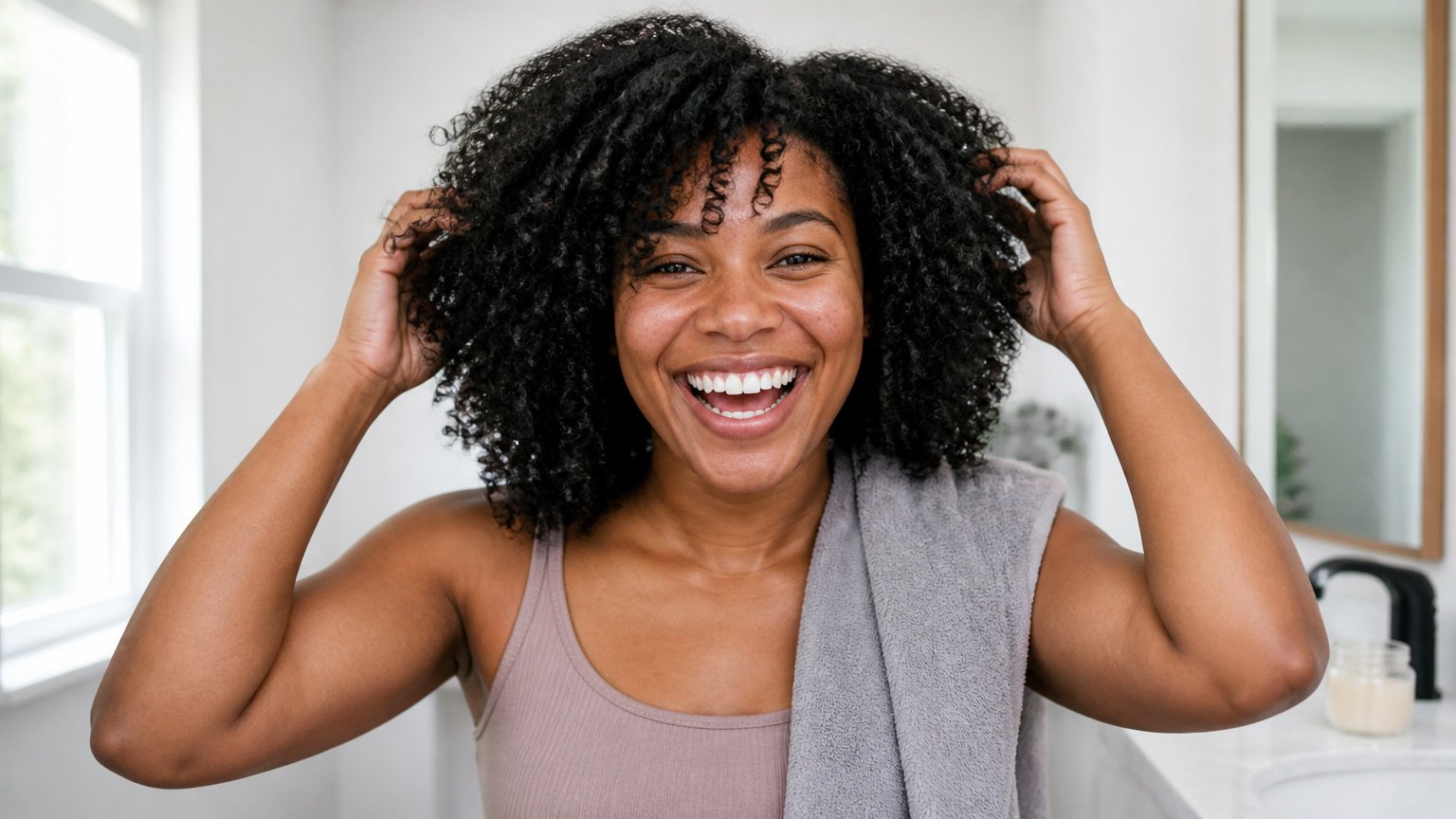
A wash and go is the same few steps for everyone. You apply products to soaking wet hair, let it dry without touching it, and scrunch out the cast.
A 2C wave and a 4C coil need very different amounts of product and different ways to apply it. For busy moms, getting that one adjustment right lets a single wash day carry you through the week.
Each style below names the one adjustment that makes this routine work for that curl type, length, or hair need. For curly cuts and other styles, see these curly hairstyles for women.
By Curl Type
1. Bouncy Wash and Go Styles for Loose Waves

Looser 2A and 2B waves need almost no product, or they flatten. A foam or mousse scrunched into soaking wet hair is often enough on its own.
Diffuse with the hover method, holding the diffuser near the hair instead of pressing it in, so the roots stay lifted. Scrunch the waves with a light touch once dry.
Skip conditioner on the roots and keep it to the ends, since it weighs fine waves down. Day two usually needs only a mist of water and a quick scrunch.
2. Wash and Go Hairstyles for Type 2C Waves

The most defined wavy type is 2C, with S-shapes that start near the roots and sometimes a few curls mixed in. They frizz fast, so they need more hold than 2A or 2B waves.
Use a light cream and a strong-hold gel on soaking wet hair, then scrunch with a microfiber towel or cotton T-shirt. A gel cast is what keeps 2C waves from frizzing by noon.
Plopping for 15 minutes before diffusing helps 2C waves clump into bigger, defined S-shapes. Sleep on a silk pillowcase to keep them.
3. Defined Wash and Go Curls for Type 3A Hair

Type 3A curls are the loosest curl type, about the width of sidewalk chalk, and they go limp under heavy products. Use a light curl cream and a medium-hold gel on dripping wet hair, in sections.
Scrunch upward once after applying, then leave it. Air dry or diffuse on low, and break the cast with your palms once it’s dry. You’ll find related looks in these five-minute curly hairstyles.
If 3A curls go flat at the roots by afternoon, use less cream and more gel next time. Small root clips while drying add lift too.
4. Elongated Wash and Go Curls for Type 3C Hair

Type 3C curls are tight corkscrews roughly as wide as a pencil, and they can shrink to half their length. To stretch them, smooth products down each section with the praying hands method, palms flat.
Use a leave-in, a cream, and a gel, in that order. Clipping the roots while drying also adds a little length. Use about a palmful of gel.
Leave the hair alone until it’s fully dry, since touching 3C curls while damp undoes the stretch. A satin bonnet keeps the shape for three or four nights.
5. Natural Wash and Go Hairstyles for Type 4B Hair

A zigzag pattern with sharp angles instead of round curls marks type 4B hair, which often needs the most moisture. Apply a moisture-rich leave-in and a cream in small sections, then a gel to set it.
Smooth the products over each section with flat palms so they coat each zigzag without breaking it up. Seal with a little oil once the gel is on.
A mid-week spritz of water and leave-in brings back definition without a full wash. Wash day takes about an hour for most 4B hair, so start it on a weekend.
6. Wash and Go Hairstyles for Type 4C Coils
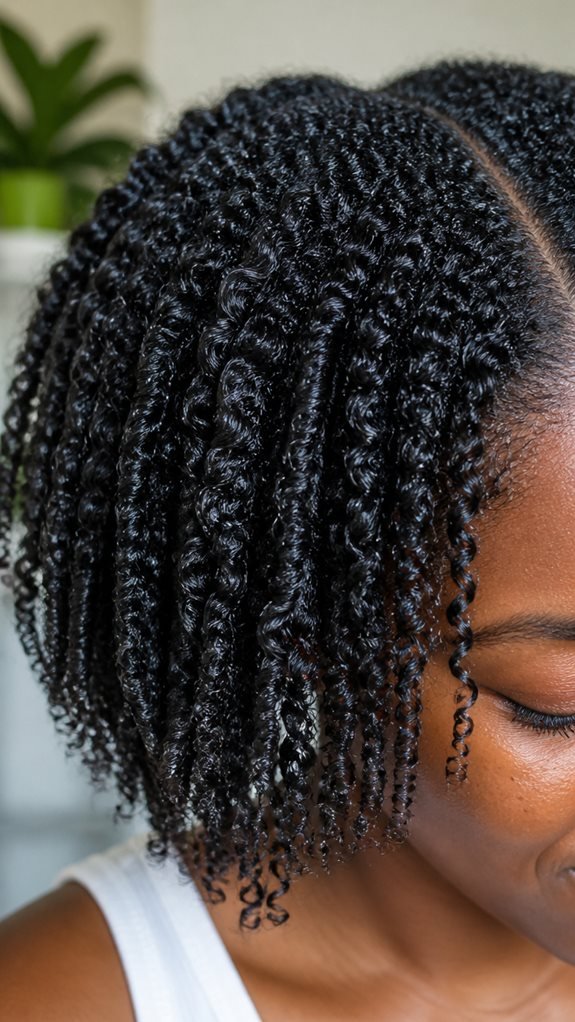
Type 4C coils are the tightest pattern and shrink the most, up to 75 percent of their length. Raking or shingling product through small sections, coil by coil, gives the best definition.
A thick gel or custard over a creamy leave-in holds the shape. Diffuse on low or air dry all the way before touching. Shingling takes longer but lasts days.
Shrinkage is normal for 4C hair. If you want more length, stretching styles like banding work better than this routine. Defined coils last four to five days.
7. Big, Full Wash and Go Styles for Thick Coils

Thick coils have coarse strands with a wide diameter, so they can handle richer products without going flat. A shea or mango butter cream under a flaxseed or aloe gel holds them well.
Separate only at the roots once dry to build volume without breaking the coils apart. A pick at the roots gives a fuller shape for a night out.
Thick hair takes hours to dry, so start in the evening and finish with a diffuser in the morning. A hooded dryer cuts the time in half.
8. Wash and Go Styles for Mixed Curl Patterns
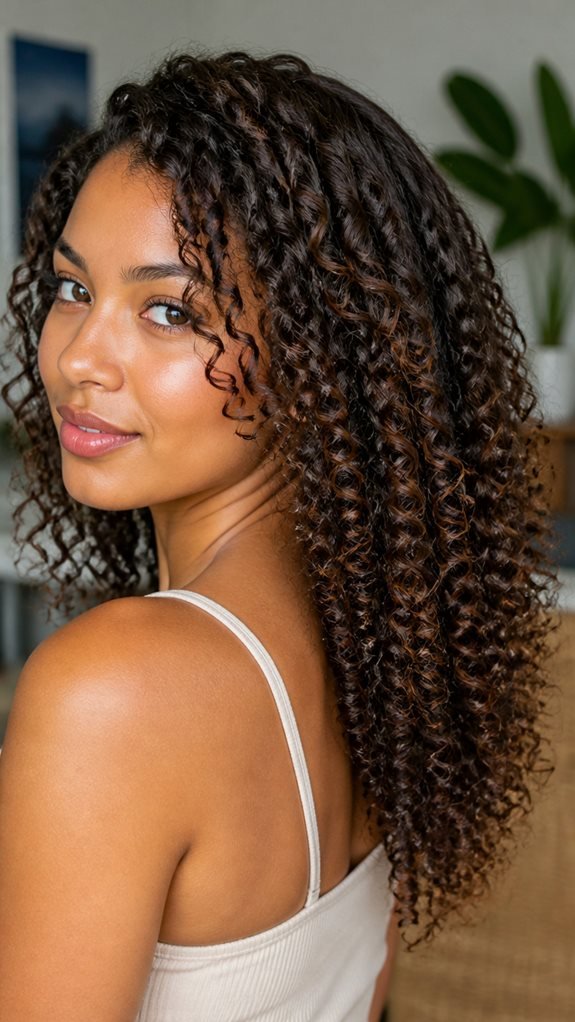
Most curly heads have two or three curl types, often tighter at the nape and looser at the crown. Treat each zone with the product weight it needs, instead of the same product everywhere.
Use a richer cream on the tighter sections and a lighter gel on the looser ones. Plopping for 15 minutes helps the two textures dry at a similar pace. Save these lazy curly hairstyles for tired moms for later, too.
Section the hair by zone before you start, and clip the tighter areas aside while you work on the rest. It adds five minutes and evens out the look.
Product weight by curl type
| Curl type | Start with |
|---|---|
| 2A to 2B waves | Mousse or foam only |
| 2C to 3A | Light cream plus medium gel |
| 3B to 3C | Leave-in, cream, then gel |
| 4A to 4C | Rich cream under a thick gel |
By Length and Density
9. Short Wash and Go Curly Hair for Pixie Length
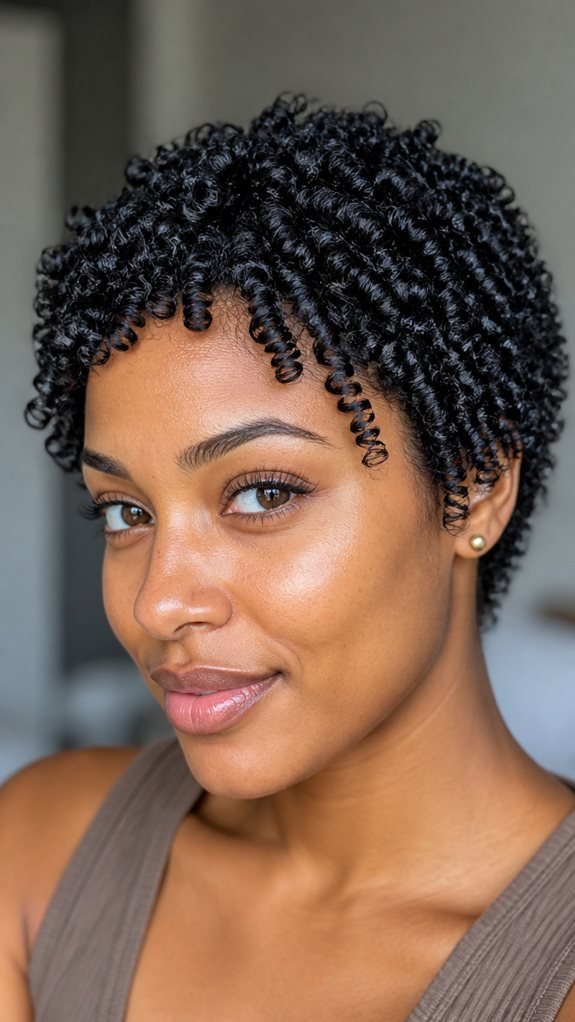
Short curls at pixie length need the least product of any style here. A dime-sized amount of curl cream or gel, scrunched into very wet hair from the nape up, is plenty.
Too much product weighs short curls flat and makes them look greasy. A few minutes under a low diffuser, or air drying, finishes it. Ask for a curly cut every eight weeks.
On day two, mist with water and scrunch, since short curls refresh faster than any other length. The whole routine takes about ten minutes.
10. Wash and Go Styles for Shoulder-Length Curls

Shoulder-length curls are long enough to show the full pattern but short enough to dry in a few hours. Rake products through in four to six sections, from root to end, with flat hands. It suits every curl type.
Clip the roots at the crown with duckbill clips while it dries, then crunch the cast away with your palms. It’s the easiest length for a busy week, since it holds a pineapple at night and still looks full by morning.
11. Wash and Go Curly Hairstyles for Long Hair

Long curls get heavy when wet, which can pull the curl pattern loose at the roots. Apply products in more sections than you think you need, and use root clips on top while drying.
Long curls can take most of a day to air dry. Diffuse the roots and let the lengths finish on their own. Long curls also look great in these half-up curly styles.
Detangle wet, conditioned hair with your fingers before products go on, since long curls tangle more. Trim the ends every three months or so to keep them springy.
12. Wash and Go Hairstyles for Fine Curly Hair

Fine curly hair has thin strands that collapse under heavy creams. Use a light leave-in with gel or foam, and skip butters and oils near the roots. A volumizing mousse works well here.
Diffuse on low with your head tipped to the side to lift the roots. A heat protectant helps if you diffuse often. Root clips add lift at the crown.
Fine curls show product buildup fast, so a clarifying wash every few weeks keeps them bouncy and light. Use about half your usual amount of gel.
13. Volume-Forward Wash and Go Styles for High-Density Hair

High-density hair means a lot of strands, which can be fine or thick, and it often sits flat near the scalp under its own weight. Apply products in many small sections so the middle layers get coated too.
Diffuse the roots first while scrunching upward, then the lengths. A light mousse on top of the gel adds lift without weight. Section with clips.
Dense hair takes longest to dry, so diffuse the roots until dry and let the ends air dry. Set aside an hour on wash day.
Methods, Weather and Day Two
14. Gel-and-Cream Defined Wash and Go Coils
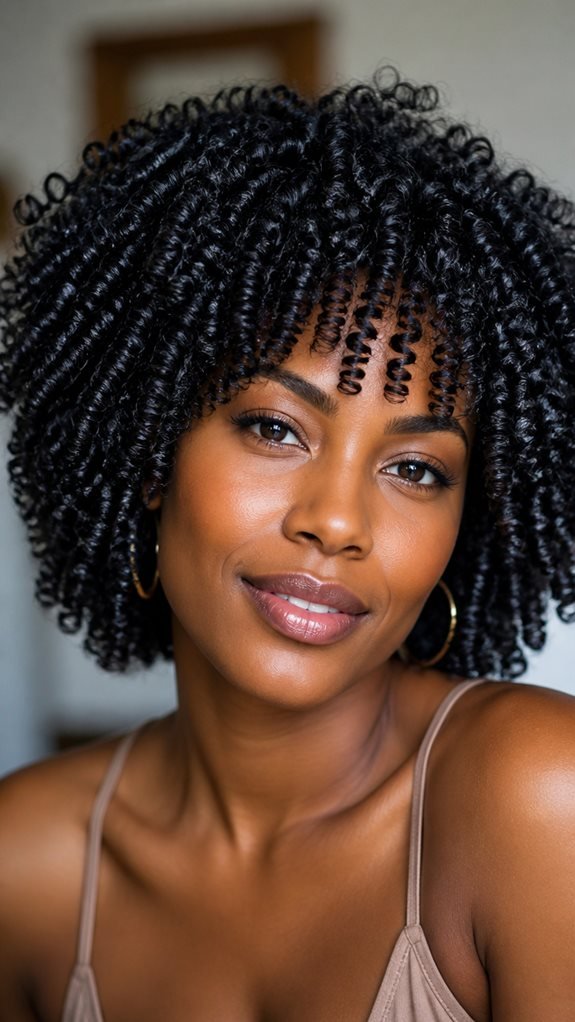
The order of cream and gel changes the result. Cream first, then gel, gives soft definition with a light cast, while gel first, then cream, gives a stronger cast and longer hold.
Try both on separate wash days. Most coils do best with cream first, and humid weather often calls for the gel-first order. Use the same amounts both times for a fair test.
Keep a note on your phone of which order you used and how many days it lasted, since curls change with the seasons.
15. Diffuser-Dried Wash and Go Curls for Extra Volume
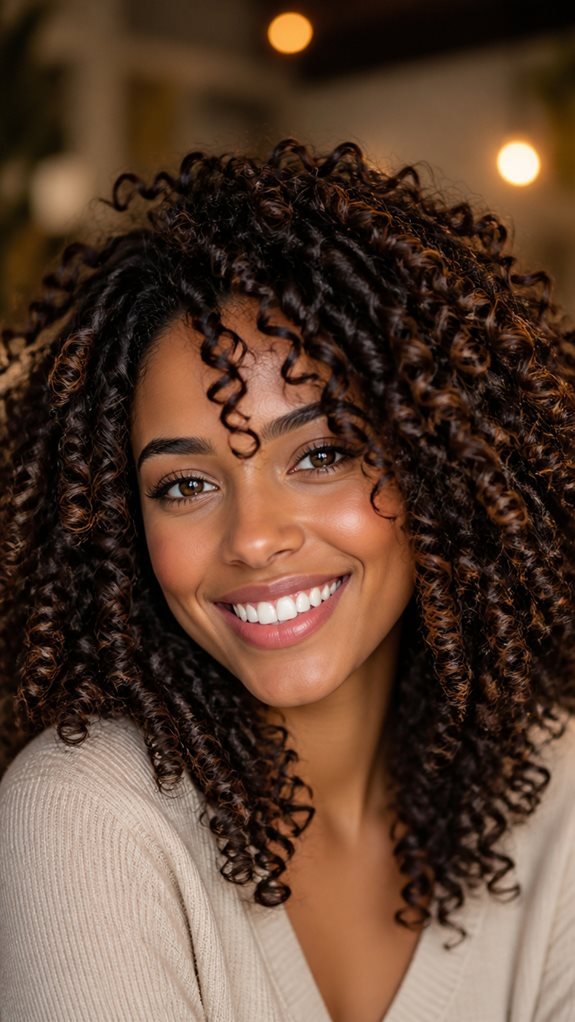
Diffusing gives more volume than air drying because the roots dry lifted. Cup each section into the bowl, lift it to the scalp on low heat, hold for 30 seconds, and move on.
Don’t move the diffuser around while it’s touching the hair, which causes frizz. Dry the roots first, then the ends. Stop at about 80 percent dry, then leave the rest to air dry.
Use a heat protectant and stay on low heat if you diffuse more than once a week. Most curls dry in 20 to 30 minutes this way.
16. Air-Dried Wash and Go Curls With Clean Definition
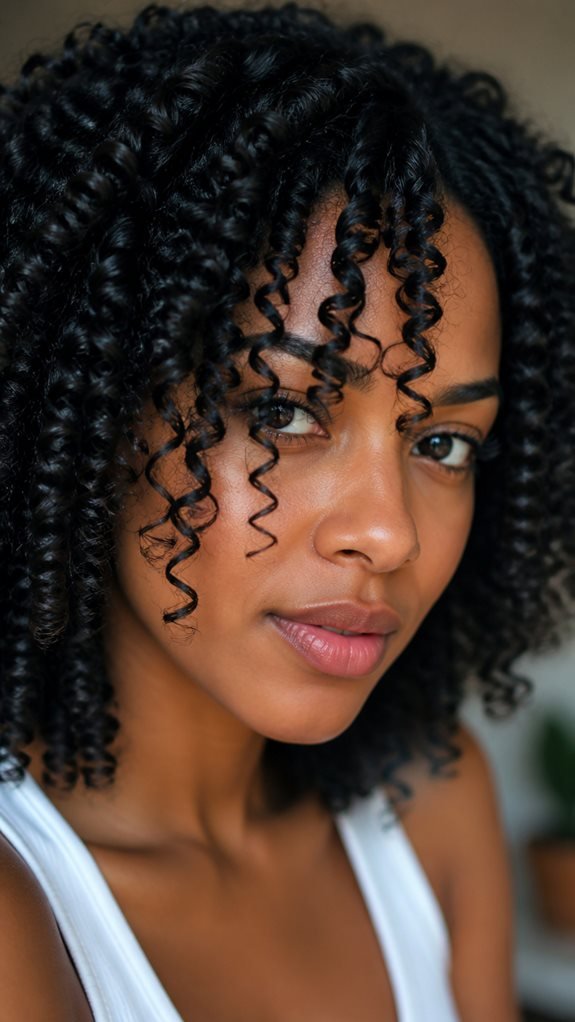
Air drying gives the cleanest definition because nothing moves the curls while they set. Apply all your products to drenched hair and don’t touch, flip, or lie on the hair until it’s dry.
It takes hours, so a style done the night before and dried in a loose pineapple works well. Squeeze the cast out once dry.
Air drying in cold weather can leave hair damp for a long time, so diffuse at least the roots in winter. In summer, it’s the easiest method of all.
17. Side-Parted Wash and Go Curls for a Polished Look

A side part has to be set while the hair is soaking wet, before any product goes on. Part it deep with a rat-tail comb, then apply products without disturbing the part.
Smooth a little gel along the part line to keep it crisp. It suits 3A to 3C curls, which hold a part more than coils do.
Pin the heavy side back with one clip for work, and let it fall forward for a dinner out. Switch sides every few weeks to rest the scalp.
18. Wash and Go Curls That Stay Frizz-Free When It’s Humid
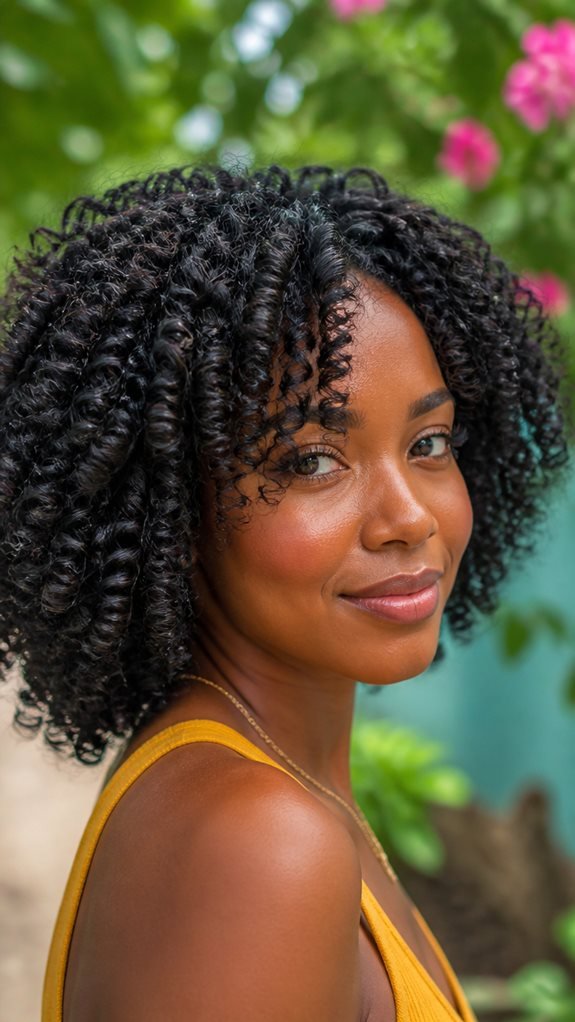
In humid weather, use a firm-hold gel and skip products high in glycerin, which pull water from the air into the hair and make it swell. Smooth the gel over a thin layer of leave-in with flat palms. Aloe gels hold well.
Leave the cast alone until the hair is fully dry, then add a few drops of light oil as a barrier. On muggy days, a silk scarf on the walk to the car or a backup puff keeps frizz away.
On the worst days, pull it into one of these curly ponytails.
19. Gentle Wash and Go Styles That Protect Damaged Curls

Damaged curls from color or heat need gentler handling. Detangle only on wet hair coated in conditioner, with a wide-tooth comb, working from the ends up. A trim takes off the worst ends.
A gentle cream with soft-hold gel keeps handling to a minimum. Air dry instead of diffusing while the hair recovers. Skip all heat tools for a month.
Protein treatments can help damaged curls hold their shape, but too much makes hair stiff and brittle. Use them every few weeks, not every wash.
20. Second-Day Refresh Styles for Wash and Go Curls

A second-day refresh takes a few minutes. Spritz with water and a little leave-in, then smooth a small amount of cream or aloe gel over the flattest sections. It saves a full wash.
Scrunch upward and diffuse for a minute or two, or let it air dry on the way out. Skip the brush.
Focus on the crown and the side you sleep on, which flatten first. A continuous-mist bottle wets the hair evenly without soaking it, and the refresh holds until the next wash.
21. Pineapple and Plop Methods for Next-Morning Wash and Go Curls

The pineapple and the plop do different jobs. The pineapple, curls gathered loosely at the top of the head with a satin scrunchie, protects dry curls overnight. Both cost nothing and take seconds.
Plopping wraps wet, styled curls in a cotton T-shirt for 15 to 30 minutes right after applying products, which helps them clump. A microfiber towel works too.
Use the plop on wash day and the pineapple every night after. Together they stretch one wash day to four or five good mornings in a row.
Finding Your Routine
Start with the section closest to your curl type and change one thing from your usual routine. Product weight, application method, and drying make the biggest difference.
Keep notes for two or three wash days, so you can see which change helped.
Frequently Asked Questions
How Often Should You Fully Wash and Go Curly Hair Each Week?
Once or twice a week suits most curly hair, and coily hair can often go longer. Refresh with water in between instead of doing a full wash and go.
Can Wash and Go Styles Work on Color-Treated or Chemically Processed Curls?
Yes. Use a sulfate-free cleanser and a moisturizing leave-in, and handle the hair with care while it’s wet, since treated curls break sooner.
What Ingredients Should Curly Hair Beginners Avoid in Wash and Go Products?
Harsh sulfate shampoos can dry curls out, and heavy silicones can build up if you never use a clarifying wash. Not every alcohol is a problem, since fatty alcohols like cetyl alcohol are moisturizing.
Is Wash and Go Styling Suitable for Curly Hair During Winter Months?
Yes, with two changes. Use a richer leave-in, and dry your hair at least at the roots before going outside, since wet hair in freezing air can turn stiff and snap.
How Long Does a Typical Wash and Go Curly Style Last?
Most wash and gos last two to five days. Sleeping in a pineapple or satin bonnet and refreshing with water stretch it toward the longer end.